


Passenger & Light Commercial Vehicles (4,500 kg or Less)
Important Disclaimer (Please Read)
This guide is a plain-language explanation of what is inspected during a Nova Scotia Motor Vehicle Inspection (MVI) for passenger and light commercial vehicles.
It is intended to help vehicle owners understand what inspectors look for and why certain items cause a vehicle to fail. However: The official inspection criteria are defined by the Province of Nova Scotia, and inspections are performed strictly according to the Official Inspection Station Manual.
Plain-language explanations can sometimes miss legal or technical nuance. This public guide does not override, reinterpret, or replace provincial regulations. All inspections are assessed based on the vehicle’s condition at the time of inspection only. For the complete and authoritative NS MVI list requirements, we strongly recommend reviewing the official NS MVI manual directly:
 Official Inspection Station Manual – Passenger & Light Commercial Vehicles
(PDF at bottom of page issued by Service Nova Scotia)
Looking for a broader overview? This guide focuses on what is checked and what fails a Nova Scotia MVI. For an explanation of different inspection types, costs, and when each is required, see our Guide to Vehicle Inspections in Nova Scotia.
What Is an MVI (Motor Vehicle Inspection)?
A Nova Scotia MVI is a mandatory safety inspection required for most registered passenger and light commercial vehicles operating on public roads.
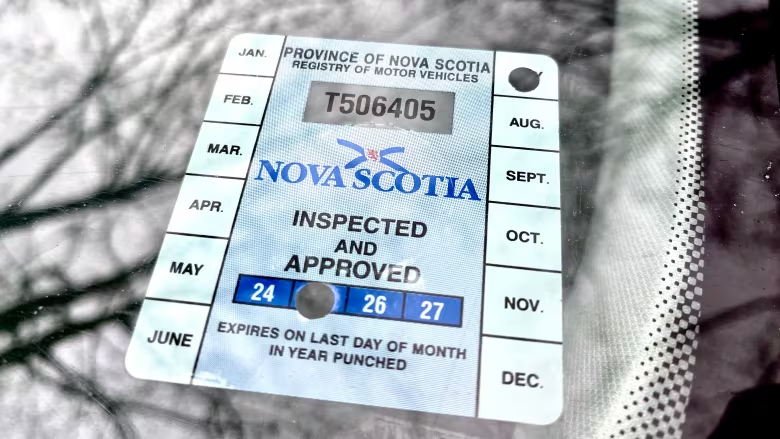
A valid inspection sticker indicates that, on the day of inspection, the vehicle met the province’s minimum safety standards. It does not guarantee future condition, nor does it certify mechanical reliability beyond the inspection date.
Vehicles Covered by This Guide
This checklist applies to Type 1 vehicles, including:
- Passenger cars
- Light-duty trucks and vans
- Motorhomes with a single rear axle and hydraulic brakes
- Vehicles with a registered gross vehicle weight of 4,500 kg or less
It does not cover motorcycles, trailers, or heavy commercial vehicles.
How to Use This MVI Checklist
This guide follows the same system-by-system structure used by licensed inspection testers, but in plain language. For each system, you’ll find:
- What inspectors check
- Common reasons vehicles fail
- Why the item matters for safety
Complete MVI Inspection Checklist (Plain Language)
1. Glass (Windshield & Windows)
What inspectors check
- Windshield cracks, chips, and scratches
- Tinting or coatings that reduce visibility
- Side and rear window condition
- Driver’s window operation
- Safety-rated glass
Common reasons for MVI failure
- Any crack in the critical vision area (the wiper sweep)
- Large chips or star fractures
- Aftermarket tint on the windshield or front side windows
- Broken or cracked side or rear windows
- Driver’s window that won’t open or close properly
Why it matters: Clear visibility is essential for safe operation, especially in poor weather or low-light conditions
2. Horn
What inspectors check
- Proper operation
- Audibility
- Accessibility from the driver’s seat
- Secure mounting
Common reasons for MVI failure
- Horn does not work
- Sound is too weak
- Horn button or switch is inaccessible
- Horn is loose or insecure
Why it matters: The horn is a required warning device used to prevent collisions.
3. Mirrors
What inspectors check
- Presence of required mirrors
- Condition of mirror glass
- Secure mounting
- Ability to maintain adjustment
Common reasons for MVI failure
- Missing required mirror
- Cracked, discoloured, or peeling mirror surface
- Mirror will not stay adjusted
- Inadequate rearward visibility
Why it matters: Mirrors are required to maintain awareness of surrounding traffic.
4. Windshield Wipers, Washers & Defroster
What inspectors check
- Wiper operation and speed
- Washer function
- Blade condition
- Arm condition
- Front defroster operation
Common reasons for MVI failure
- Wipers don’t operate or don’t park
- Torn or missing blades
- Wipers fail to clear the critical vision area
- Front defroster does not function
Why it matters: Visibility during rain, snow, and frost is critical for safe driving.
5. Brakes (Service & Parking)
What inspectors check
- Brake lines and hoses
- Master cylinder and warning indicators
- Brake pads or shoes
- Calipers, wheel cylinders, and hardware
- Rotors and drums
- Brake pedal reserve and operation
- Parking brake function
Common reasons for MVI failure
- Leaking or corroded brake lines
- Brake warning light stays on
- Brake pads or shoes below minimum thickness (1.6mm at the thinnest point, unless specified by the OEM manufacturer)
- Cracked rotors or drums
- Parking brake does not hold
- Improper or unsafe brake repairs
Why it matters: Brake defects are among the most common and most serious inspection failures.
6. Steering System
What inspectors check
- Steering wheel travel
- Steering linkage components
- Rack and pinion or steering box
- Power steering operation
- Excessive play or binding
Common reasons for MVI failure
- Excessive steering play
- Loose or worn steering components
- Binding or restricted movement
- Leaking or inoperative power steering system
Why it matters: Steering defects can cause loss of vehicle control.
7. Suspension System
What inspectors check
- Ball joints
- Control arms and bushings
- Springs and shock absorbers
- Mounting points and fasteners
Common reasons for MVI failure
- Broken or sagging springs
- Leaking or ineffective shocks
- Excessive play in suspension joints
- Structural damage affecting suspension mounting
Why it matters: Suspension components affect stability, braking, and tire wear.
8. Tires & Wheels
What inspectors check
- Tread depth
- Tire condition
- Sidewall damage
- Wheel integrity
- Proper fitment
Common reasons for MVI failure
- Insufficient tread depth
- Exposed cords or sidewall damage
- Mismatched or improperly sized tires
- Cracked or damaged wheels
Why it matters: Tires are the vehicle’s only contact with the road.
9. Body & Structural Components
What inspectors check
- Body panels affecting safety
- Structural integrity
- Doors, latches, and hinges
- Sharp edges or protrusions
Common reasons for MVI failure
- Structural rust or corrosion
- Loose or insecure body components
- Doors that won’t latch properly
- Sharp edges posing injury risk
Why it matters: Structural defects can compromise occupant protection.
10. Exhaust & Emissions System
What inspectors check
- Exhaust leaks
- Muffler condition
- Secure mounting
- Emission control components
Common reasons for MVI failure
- Leaking exhaust components
- Excessive exhaust noise
- Missing or insecure exhaust parts
Why it matters: Exhaust leaks can allow harmful gases into the cabin.
11. Fuel System
What inspectors check
- Fuel lines and hoses
- Fuel tank condition
- Leaks or seepage
- Secure mounting
Common reasons for MVI failure
- Fuel leaks
- Damaged or corroded fuel lines
- Insecure fuel tank
Why it matters: Fuel system defects present fire and environmental risks.
12. Lights & Signals
What inspectors check
- Headlights
- Brake lights
- Turn signals
- Hazard lights
- Marker and license plate lights
Common reasons for MVI failure
- Inoperative bulbs
- Incorrect light colour
- Improper headlight aim
- Missing required lights
Why it matters: Lighting ensures visibility and communication with other drivers.
What an MVI Does NOT Cover
An MVI does not assess:
- Engine performance or longevity
- Transmission health
- Future maintenance needs
- Cosmetic appearance
- Optional comfort features
It is a safety inspection only, based strictly on minimum legal standards at the time of inspection.
Final Notes for Vehicle Owners
- A valid NS inspection sticker does not guarantee future safety
- Vehicles can become unroadworthy after passing inspection
- Rejected vehicles typically have 10 days to complete repairs and return for re-inspection
- MVI Inspections must be performed by a licensed Official Inspection Station (such as Driveline Mount Uniacke)
For the most accurate and authoritative information, always refer to the Official Inspection Station Manual published by the Province of Nova Scotia.
Need an inspection?
We can help.
Related posts

